.webp)




One dermatologist has a very versatile job that goes beyond just diagnosing skin conditions. A dermatologist is an educator, a surgeon, a researcher... A doctor specializing in dermatology therefore studied for eleven years to master the profession. Most of the patients visit a dermatologist because they have a skin condition and the GP has referred them to a skin specialist. But not everyone goes to the doctor first, and that's not necessary either.
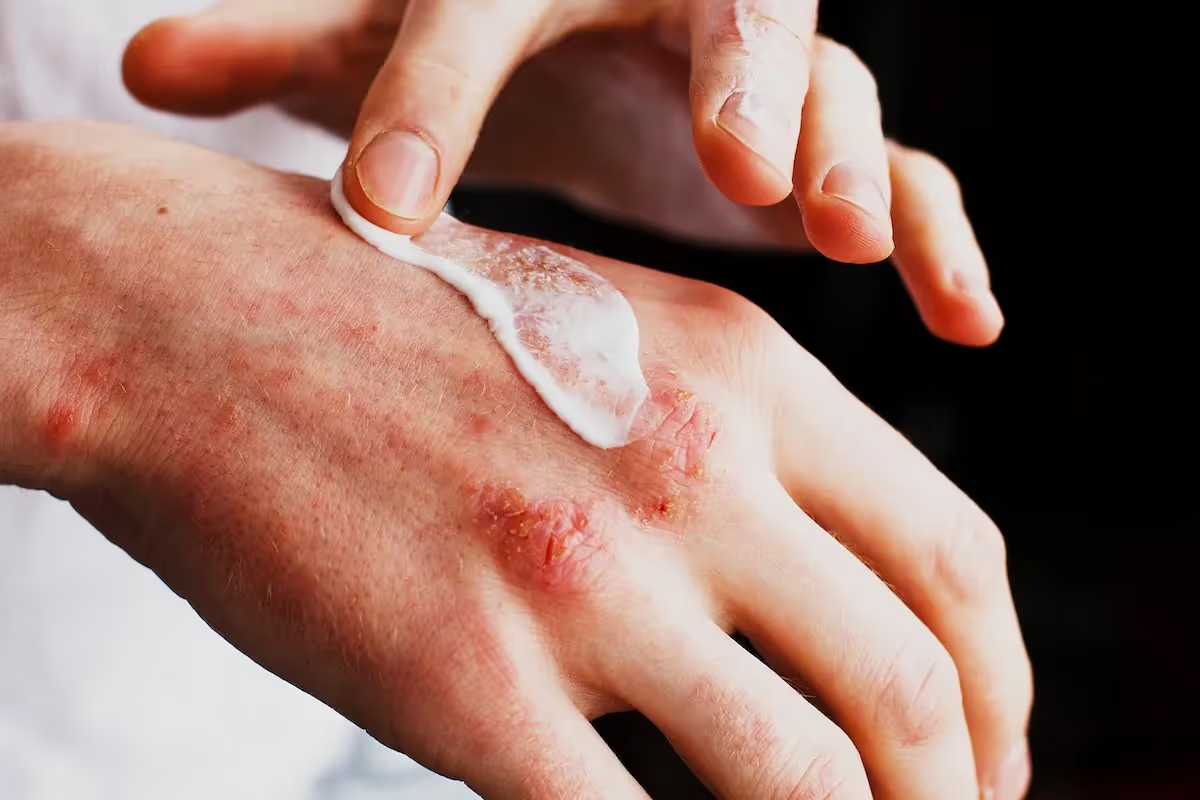
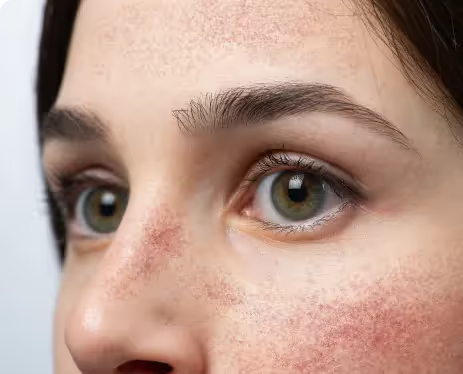
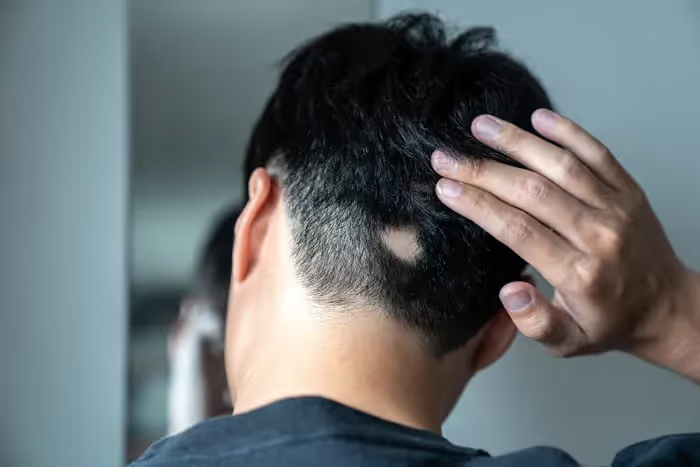
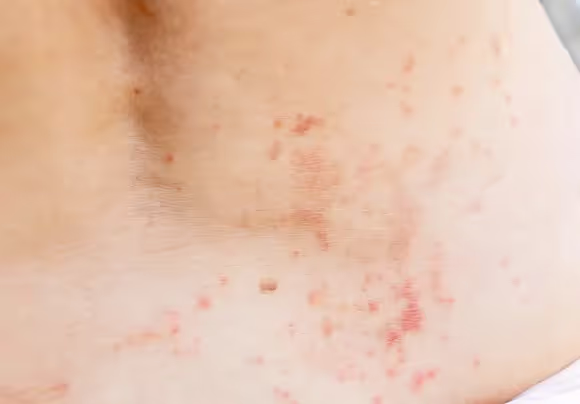
One dermatologist is primarily the doctor to consult for all skin diseases. Skin diseases can be chronic or sometimes last for years. Those who suffer from psoriasis or eczema are therefore most likely to benefit from treatment by the dermatologist. Other skin diseases, on the other hand, are temporary, such as infections and allergic reactions. In case of allergic reactions, the dermatologist not only prescribe a cooling ointment to soothe the skin, but also look for the cause of the allergy using various tests. That is why the dermatologist also an allergist.
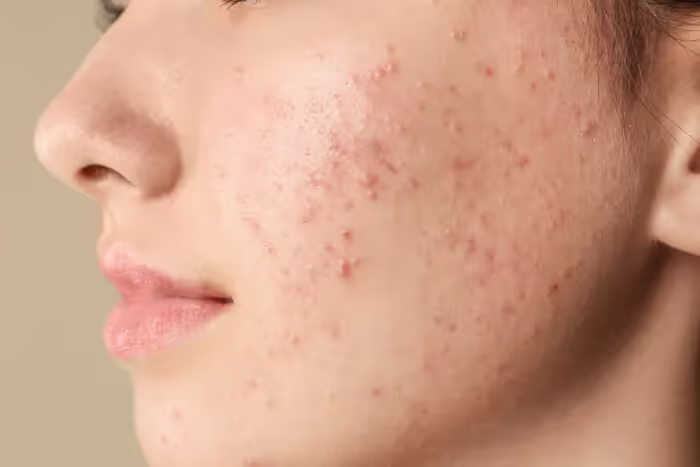
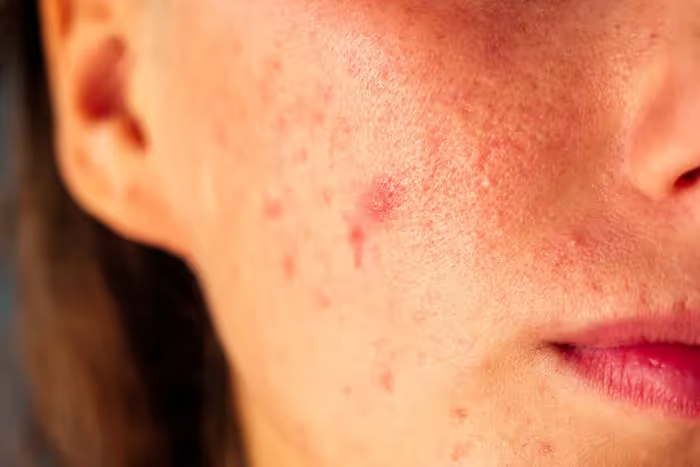
In many cases, there is not really an illness but the dermatologist is called in to improve appearance. Teenagers who suffer from acne during puberty and are ashamed of it know that they are at the dermatologist can go for a remedy to reduce acne. Those who regret a tattoo can request a laser treatment and those who want to look a little younger can visit the dermatologist go for injections and fillers. That also makes the dermatologist a cosmetic doctor.
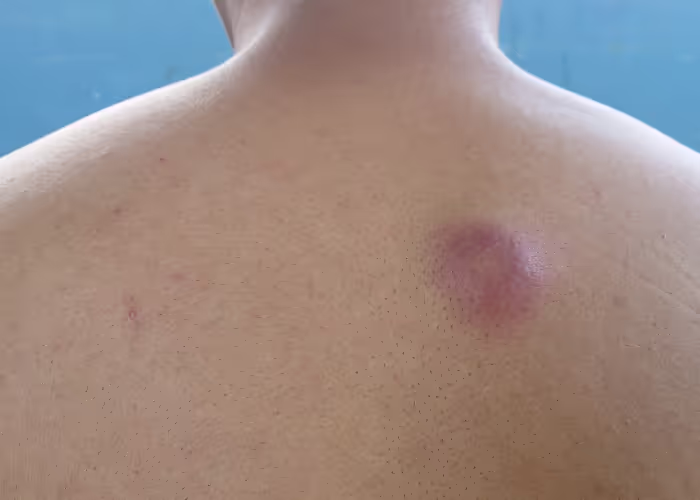
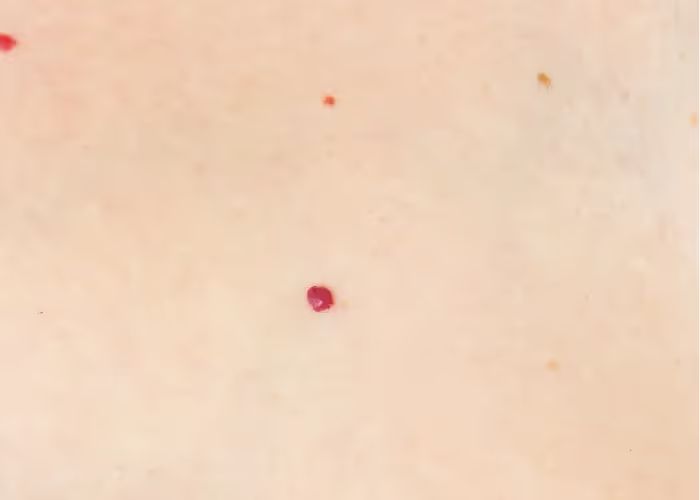
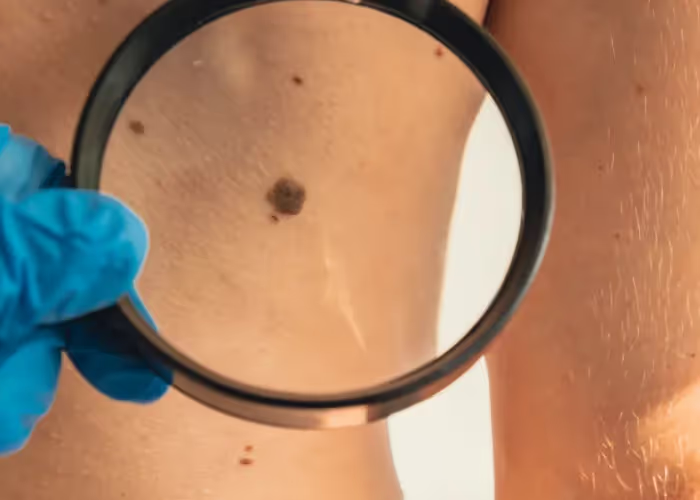
In dermatology practice, the skin specialist Surgically remove skin tumors or other spots on the skin. So he's also a bit of a surgeon who removes cancerous growths, among other things. After all, skin cancer is very common but, especially at an early stage, is not life-threatening. The tumour can then be removed perfectly under local anaesthesia.
One dermatologist is also a phlebologist. The doctor examines varicose problems and starts treatment with a laser or sclerocompression therapy. And what is less known: a dermatologist is also an STI doctor. He will research venereal diseases and their treatment. Patients who suspect they have an STI can therefore always visit the dermatologist rightly.
In addition to starting a treatment, providing good information is an important task of the dermatologist. Whether it concerns STIs, allergies or skin cancer: the importance of informing and sensitizing the patient should not be underestimated.
How to become dermatologist?
Om skin specialist to become, you are best prepared for years of study. The course starts with the general study of medicine. It lasts six years. If you succeed, you can work as a doctor but not as a dermatologist yet. To do so, you need to complete another five years of specialization. During these years, the student will do an internship at various dermatology services and receive training from experienced doctors to learn to master each field. Most of this training takes place in a university center.
How does a dermatologist?
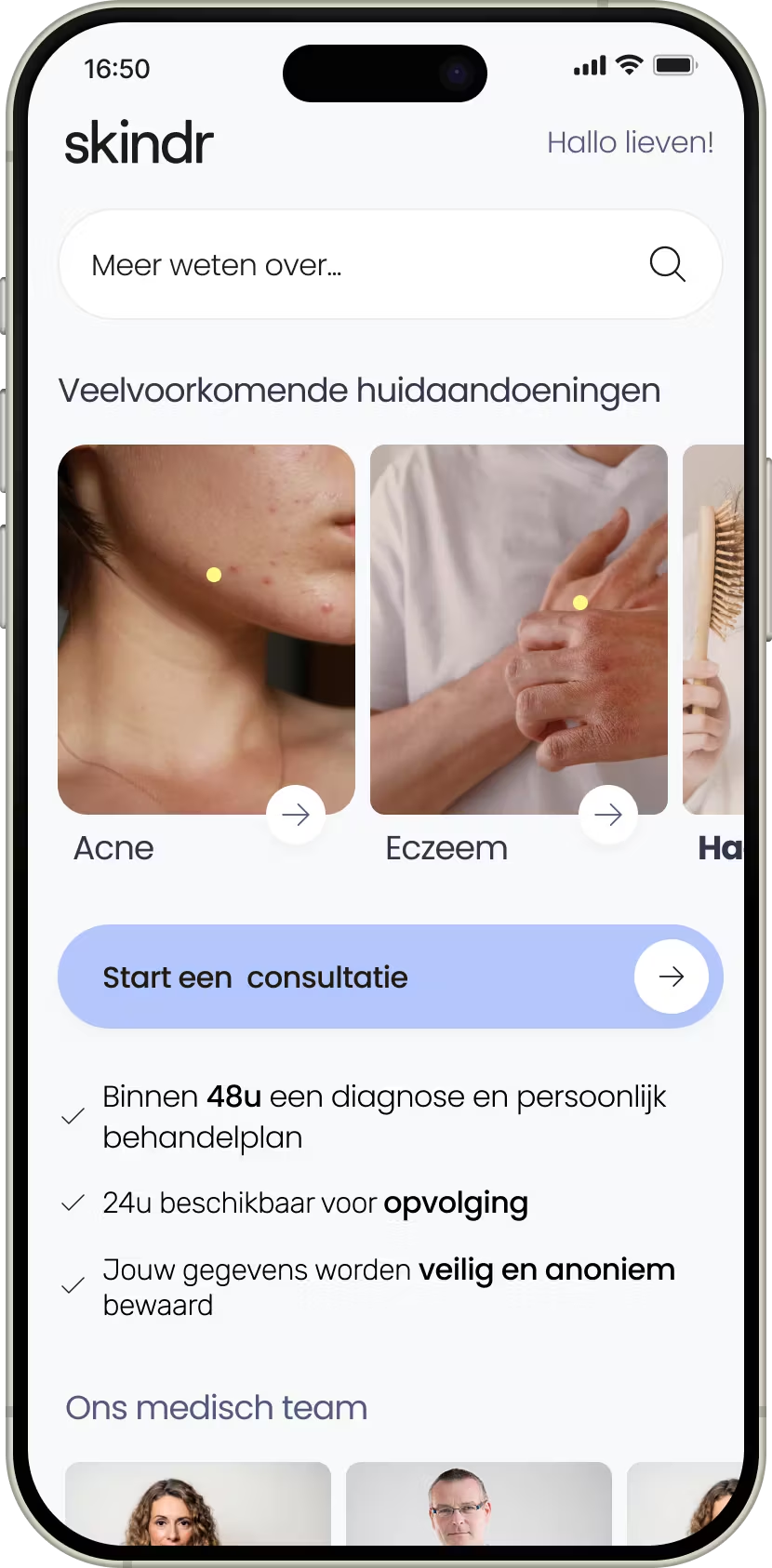
One dermatologist can work in a hospital or in a practice, depending on your preference. This practice can be a solo practice or a group practice where multiple doctors or dermatologists work. The dermatologist is usually not alone but gets help from support staff, a secretariat, nurse, podiatrist, pedicure, skin therapist or beautician. In recent years, we have also seen that more and more dermatologists do (part of) their consultations online. This way, they can help their patients faster, save patient travel costs, and have more time for consultations and treatments that do need to be done in the practice itself.
Can you just go to a dermatologist?
Do you need a referral letter to go to the dermatologist to go or not? This is often unclear. The answer is yes and no. If you want a refund, a referral letter is required. If the refund is not necessary, you can also go to the dermatologist without a referral letter. After all, the dermatologist also performs treatments that do not require a visit to the doctor, such as aesthetic procedures. These are non-refundable. A referral letter is therefore not mandatory, but in most cases it makes your visit to the dermatologist cheaper. During a consultation via Skindr no referral letter is required.
What does it cost to visit the dermatologist?
In Belgium, you pay between 50 and 90 euros to visit the dermatologist. You will get 21 euros back from the health insurer. In the Netherlands, prices can reach more than 100 euros for a simple treatment. As long as the health insurer pays for this consultation, the patient is not affected. If not, it is sometimes a shock when you get the invoice. Consultations via Skindr are not reimbursed by the health insurer. That is why the price of a consultation via Skindr is 39 euro, which is lower than what you would pay on average if you visit a practice. In addition, you are via Skindr helped within 48 hours, while the waiting time for a consultation in practice is 4 months in Belgium and 4 weeks in the Netherlands.




%20(1).avif)
.avif)


%20(1).avif)
.avif)
.avif)


.avif)


-min.avif)
-min.avif)
-min.avif)

.avif)



.webp)



































.avif)


](https://static.legitscript.com/seals/624359.png)